Age 20
Sixco
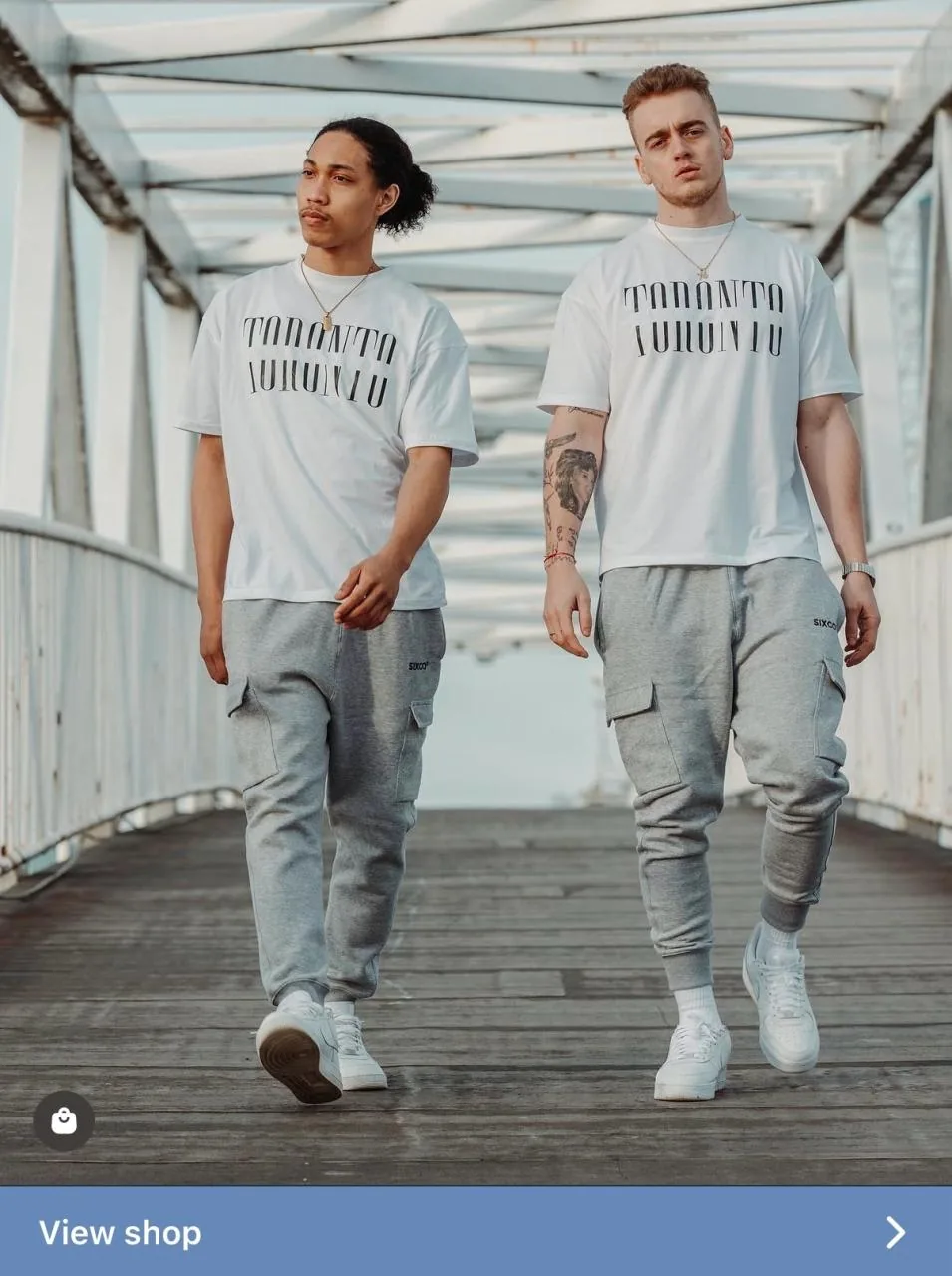
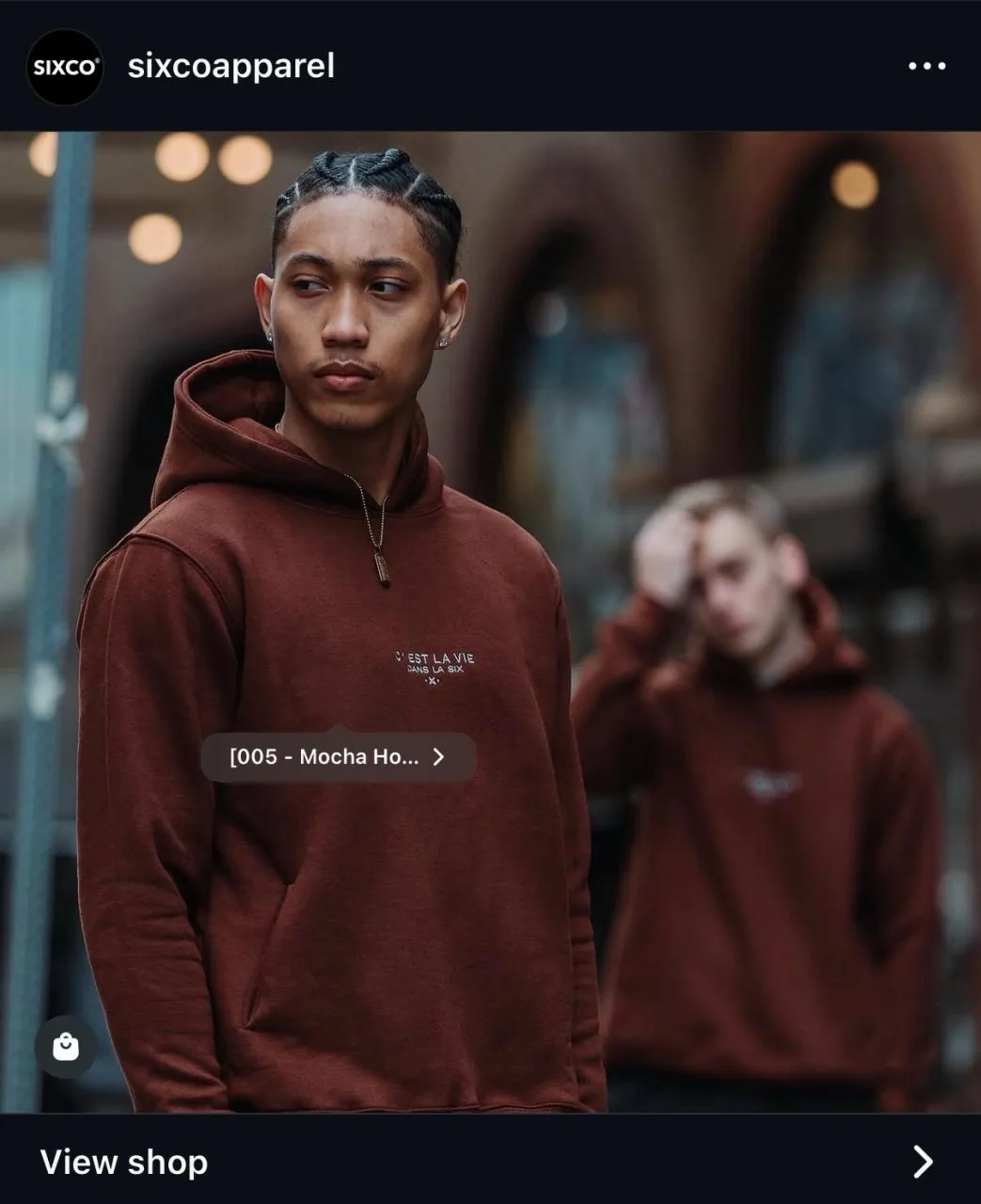
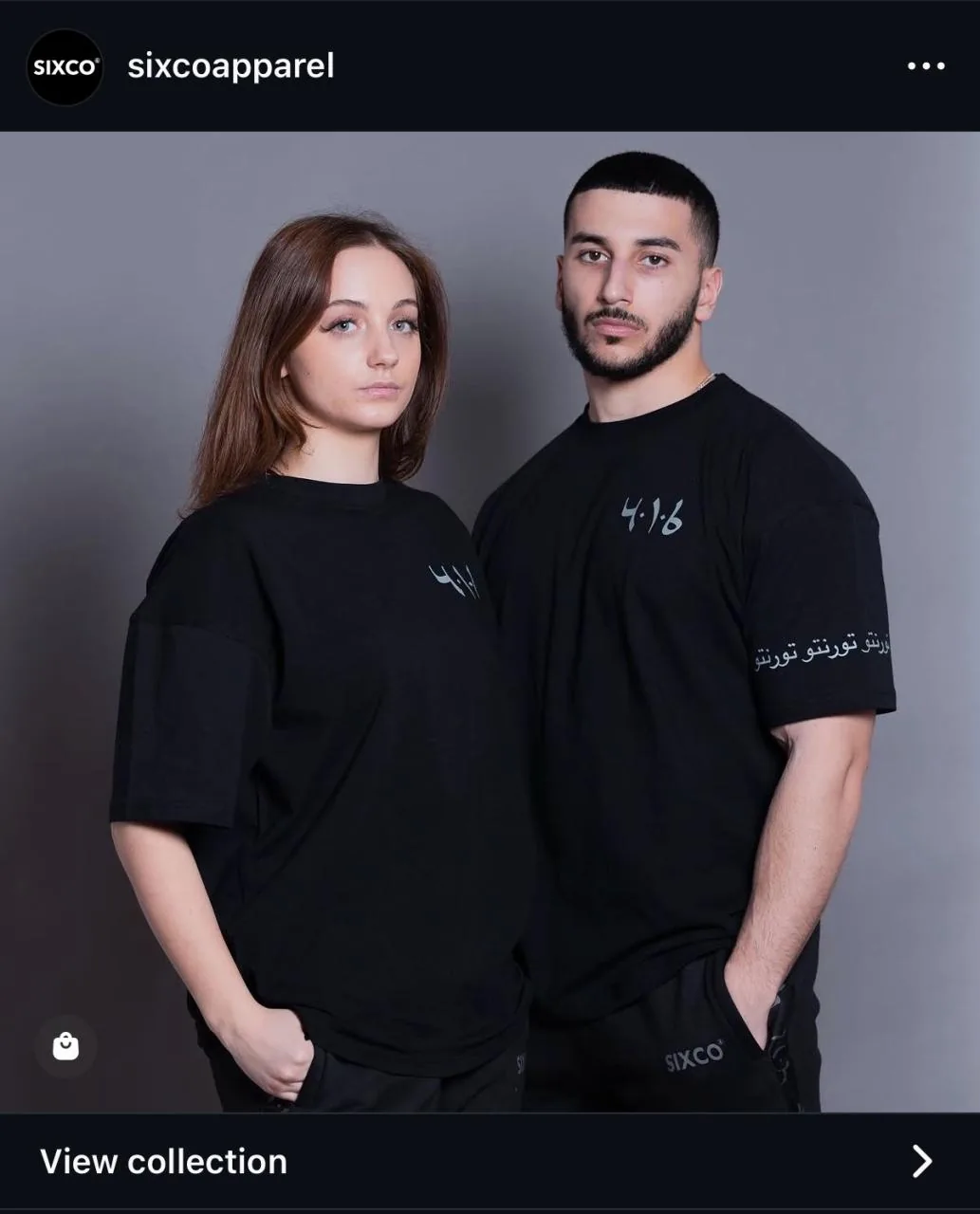
That drive became Sixco. I set out to make clothes people would reach for again and again because the comfort was exceptional. Every detail had to earn its place.
I studied fabric weight, materials, and stitching. GSM, grams per square metre, became a practical decision. Two hoodies could look identical and feel completely different. I needed to understand why.
Then came execution. Find suppliers. Set the standard. Hold the quality. Make the shipping economics work. Every decision reached the customer through the product or the price. I had to own all of it.
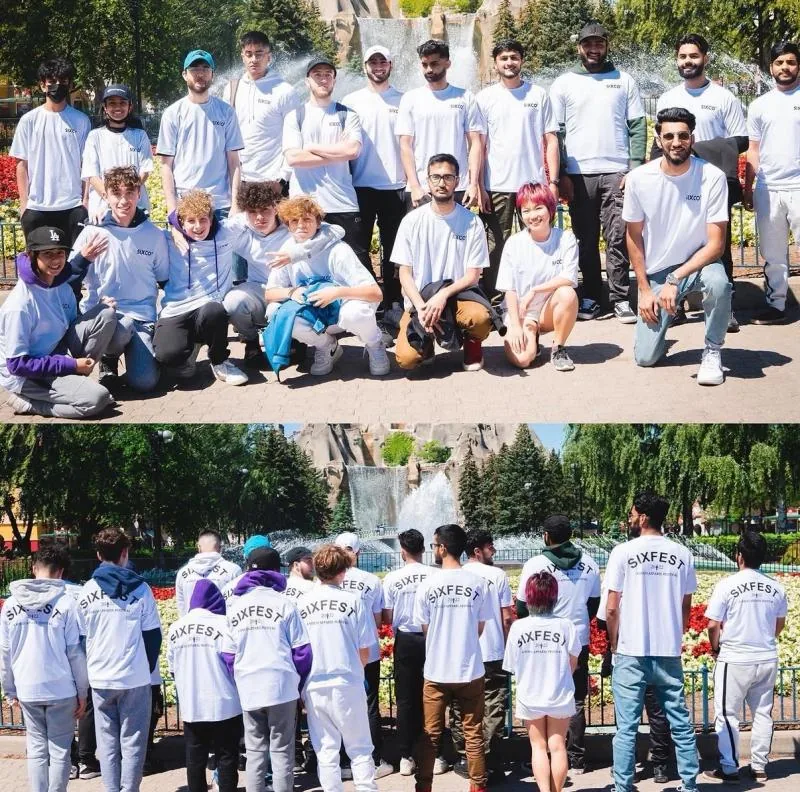
Sixco reached customers across five continents. I wanted to turn that reach into a community. We held Sixfest at Canada’s Wonderland and brought customers together.
Nike, Adidas, and countless other brands already sold clothes. Sixco needed a reason to exist that went further. We made the business serve something beyond the next purchase.
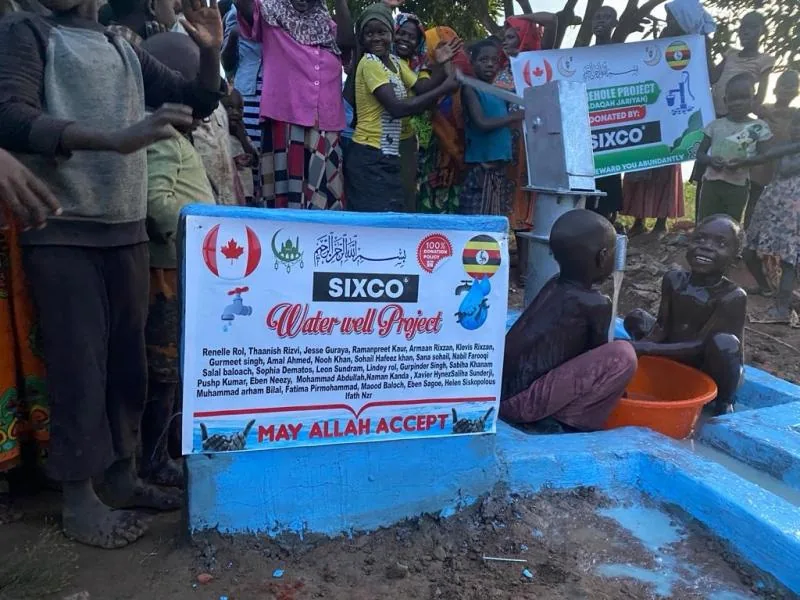
For every 30 purchases, we funded a water well. We built wells in parts of Asia and Africa where clean water was scarce, including Uganda.
We engraved customers’ names on the wells and sent photographs as construction progressed. Then we showed the finished wells serving their communities. Customers could see exactly what their purchases had helped build.
They shared those photographs with friends and family. More people discovered Sixco. More purchases funded more wells. The mission drove growth because people had something worth passing on.
COVID shut down our main supplier. The backup stopped responding. A replacement failed to match the quality, while shipping costs climbed. The supply chain that held the business together was breaking.
A co-founder dispute ultimately became the biggest factor in Sixco closing.