My Vision for AI Personalities
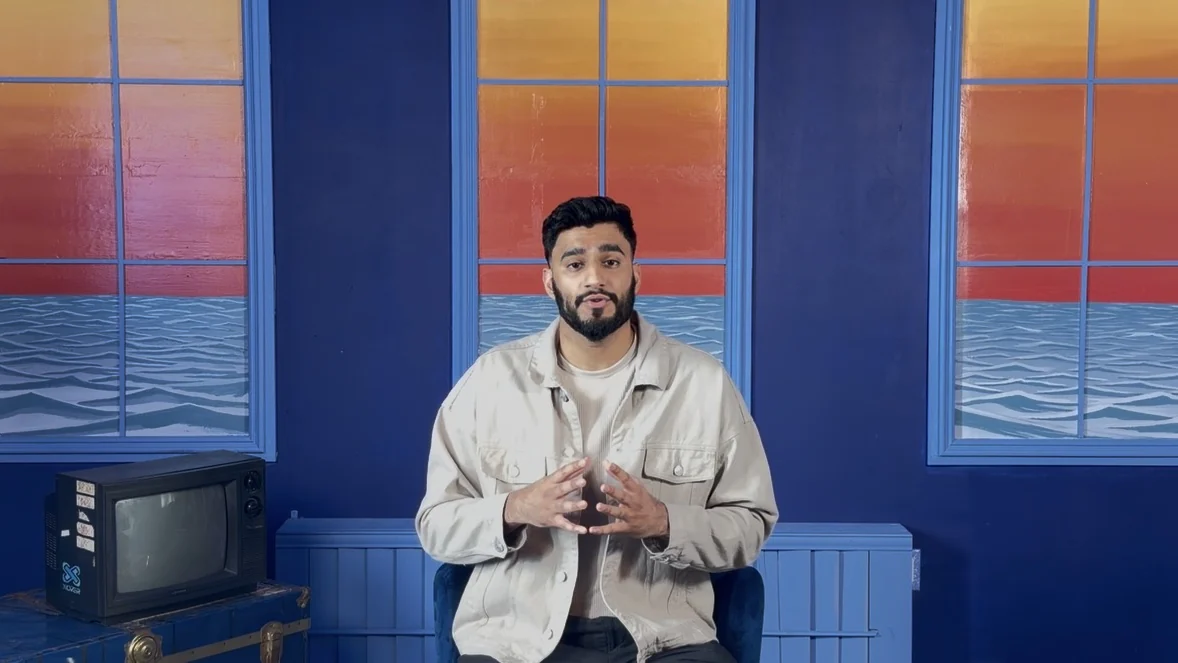
When I was about 6 years old, I developed a speech impediment that has stayed with me to this day. On my first day in middle school, we were sitting in music class, and the teacher asked everyone about the instrument they’d like to play for the duration of the semester. I wanted to play the flute, but “F” sounds were particularly difficult for me. So I decided to tell the class I’d like to play the trumpet instead because I thought it would be easier to pronounce in front of the whole class.
But I got stuck on the “T.” The entire class erupted in laughter. I looked towards my teacher for some support, but even he had a smirk on his face as he tried to quiet the class down. Questioning whether I would stutter before saying every word has had a profound impact on me. Since childhood, I literally had to think before I spoke because I had no choice.
My parents were very supportive, and though at times they couldn’t afford it, they still took me to speech therapy. There, I would sit in front of my therapist, Julie, and talk about my day. Apart from my family, this was one of the few times when I would not feel judged as I spoke. Over time, these conversations became extremely meaningful for me.
I could see her jot down words and syllables I was getting stuck on, and at the end of the 45 minutes, we would have a conversation about how I could improve my speech.
As I began to reflect on those speech therapy sessions in recent years, I began thinking about their importance and also the gaps that currently exist in the industry.
- There is a massive bottleneck in the supply of SLPs (Speech Language Pathologists) and an overwhelming demand from the ~250 million people who have a speech disorder.
- The cost per session (~$200) does not allow families to afford more than 1 or 2 sessions a month for their loved ones.
- Progress is difficult to measure, as it is not humanly possible for the SLP to track exactly how many times a particular word or sound was pronounced correctly by someone struggling with articulation or the % drop in blocks, repetitions, or prolongations for someone who stutters.
Because these problems were all very close to my heart, I wanted to solve them no matter what it took. For the first version, I began to train and fine tune a small model on disordered speech so that it could track the nuances in recorded speech. But just speaking into a piece of software was not delivering the same experience as I had with my therapist, Julie. The other thing I realized was that this was not as easy a task as it initially seemed.
The amount of properly labelled data on speech disorders was very small, and the large LLMs simply would not work because their architectures are different. The models from these labs, be they OpenAI, Anthropic, or Google, are trained to smooth speech out, as they need to convert voice into transcription for the LLMs to do their magic. Whereas I was concerned with tracking every impediment in speech, their job was to remove all impediments for a clean transcription.
At this point, I began discussions with many therapists in the field, including my very own therapist, Julie, whom I met 10 years later. My intuition proved correct as I spoke with them at length regarding the problems I wanted to solve. I realized that it would be incredibly difficult, but it was important for me to do this.
I decided to go all in. I resigned from my job and started a company called qull.io.
We came to the conclusion that we must build a complete AI personality called Sophia. Sophia would start off as someone who would examine the goals your SLP has set and work on practicing your speech with you every single day. Systematic research and clinical studies have demonstrated that regular practice does indeed improve speech fluency. Sophia would gamify and personalize speech therapy practice with zero pressure on the client.
Eventually, we will aim to help Sophia become the 1st Registered AI Speech Therapist in the world and advance scientific breakthroughs in speech and neurological disorders. Children and adults will be able to objectively track their progress over many months and years, we’ll be able to provide speech therapy in any language, anywhere in the world, and, most importantly, do so while lowering the cost by at least 10x for advanced speech therapy.
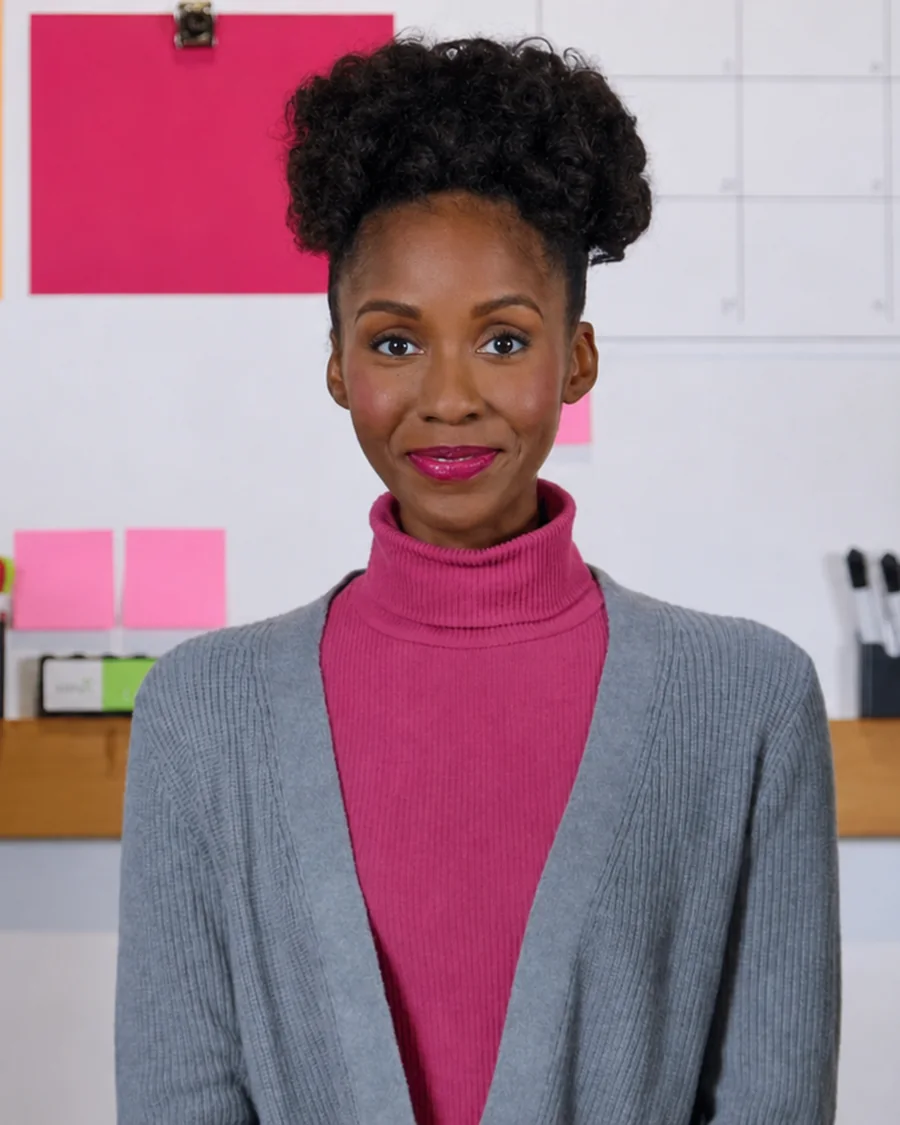
She will be the personality that children with a speech impediment feel safe talking to, even when they fear that the whole world is laughing at them.
But we believe personalities will be the next great wave in startups. The current wave of AI started with chatbots, then moved to agents, and many people are now jumping straight to robotics without realizing personalities are next. Here, as I hope is evident from what I wrote above, I don’t mean a friendly avatar with a human name. What I mean is persistent artificial identities that develop continuity with human beings over the course of many months, years, and decades.
The core job of these personalities will be to help humanity by adapting to the individual, developing a recognizable way of communicating, and having a persistent memory. We obviously don’t believe in one model accomplishing every goal a human has due to the limitations with regard to speech described above.
When comparing personalities to chatbots and agents, it may help to think of the chatbot as understanding the question, the agent as understanding the task, and the personality as understanding the human being behind it.
Though we are extremely focused on building Sophia for now, we envision Qull building many personalities that will play vital roles in our lives for years to come. Think of a personality named David that you discuss your career with in detail every day. Over time, David understands your ambitions, strengths, weaknesses, and the decisions that have shaped your career, while actively finding opportunities that make sense for you.
Or imagine a math tutor that grows alongside a child, understands exactly how they learn, and continuously adapts and gamifies their education.
There are hundreds of possibilities, but we will only build the personalities that we believe can meaningfully improve people’s lives. For now, that is Sophia.